
Every relationship goes through seasons of miscommunication, hurt feelings, and unresolved tension. When minor misunderstandings start to pile up or old patterns keep repeating, it can feel like you and your partner are speaking different languages. Couples therapy offers a structured, compassionate space to slow down those patterns and really hear each other again. Instead of trying to fix everything in late-night arguments or avoiding complex topics altogether, you have a trained professional guiding the conversation. Over time, many partners find that couples counseling not only helps them work through current issues, but also gives them tools to stay connected through whatever comes next.
How Couples Counseling Creates A Safe Space For Honest Conversations
In everyday life, important conversations can get derailed by distractions, stress, or defensive reactions. Couples counseling carves out dedicated time where both partners agree to show up, tune in, and talk openly. The therapist’s role is to keep the space emotionally safe, which means slowing things down when voices rise, setting boundaries around blaming or name-calling, and making sure each person has time to speak. Knowing there is a neutral third party in the room often makes it less scary to bring up topics you have been avoiding. Over time, the counseling room can become the place where you practice a different kind of conversation—one that is more curious, less reactive, and more focused on understanding than winning.
Couples Counseling As A Tool For Understanding Patterns, Not Assigning Blame
Many couples arrive in therapy hoping the counselor will decide who is “right” and who is “wrong.” Instead, couples counseling looks at the patterns the two of you create together. The focus shifts from “you always” and “you never” to questions like “what happens between us when we get stuck?” A therapist might help you notice how one partner’s withdrawal triggers the other’s anger, or how old experiences from previous relationships show up in present-day conflict. When you can see the pattern as the shared problem, it becomes easier to work together against it. This shift away from blame opens the door to genuine collaboration and change.
Naming The Relationship Cycle In Couples Counseling
Once a recurring pattern has a name, it is easier to recognize in real time. Couples can learn to say, “We are in our cycle again,” and choose a different response instead of repeating the same fight.
Separating The Person From The Pattern In Couples Counseling
Seeing that both partners are reacting to old fears or hurts softens the tone of conflict. You can stay connected to each other even while working hard on changing behavior.
Skills Learned In Couples Counseling To Communicate More Clearly
Strong relationships are not free from conflict; they are built on how partners handle conflict when it shows up. Couples counseling focuses on very practical communication skills that you can take home and use every day. You might learn how to use “I” statements instead of accusations, how to take a pause when you feel flooded, or how to listen without preparing your rebuttal. Therapists often coach partners in real time, guiding them to slow down, reflect on what they heard, and check if they understood correctly. These skills can transform everyday conversations, making them feel less like battles and more like joint problem-solving. The more you practice in therapy, the more natural these habits become in your daily life.
Listening and Validation In Couples Counseling Sessions
Partners learn how to show that they truly heard each other, even when they disagree. Feeling understood reduces defensiveness and makes compromise more possible.
Expressing Needs Clearly Through Couples Counseling
Instead of hinting or hoping your partner will read your mind, you practice saying what you need directly and respectfully. Clear requests create better chances for your needs to be met.
How Couples Counseling Helps Rebuild Emotional Connection and Trust
When trust has been strained—whether by everyday distance, repeated arguments, or larger breaches—couples often feel lonely even when they are together. Couples counseling offers a process for slowly rebuilding that sense of closeness. This might include repairing past hurts, acknowledging emotional injuries, and making new agreements about how you want to treat each other. A therapist can help you identify moments of caring that still exist beneath the conflict and encourage you to notice them more often. As safety grows, many couples find it easier to share feelings they had been holding back, which deepens emotional intimacy. Over time, connection becomes something you actively cultivate rather than something you hope will simply return on its own.
Couples Counseling During Major Life Transitions and Stress
Relationships are often tested during transitions, such as having a baby, blending families, moving, job changes, health challenges, or caring for aging parents. Stress can magnify small differences in coping styles and priorities, leaving partners feeling disconnected or unsupported. Couples counseling gives you a place to talk about how the transition is impacting each of you, not just the logistics you are juggling. You can explore questions like “what do you need most from me right now?” or “how is this change affecting the way you see our future?” With guidance, you can turn a stressful season into an opportunity to grow closer rather than drift apart. Learning to navigate one big transition together also builds confidence that you can handle future changes as a team.
Sharing The Emotional Load Through Couples Counseling
Therapy can help partners distribute responsibilities and emotional labor more fairly. Feeling like you are not carrying everything alone often reduces resentment and burnout.
Aligning Expectations In Couples Counseling During Change
Conversations about expectations help prevent silent disappointment. When partners agree on priorities, it becomes easier to support each other through demanding times.
How Couples Counseling Supports Different Communication Styles
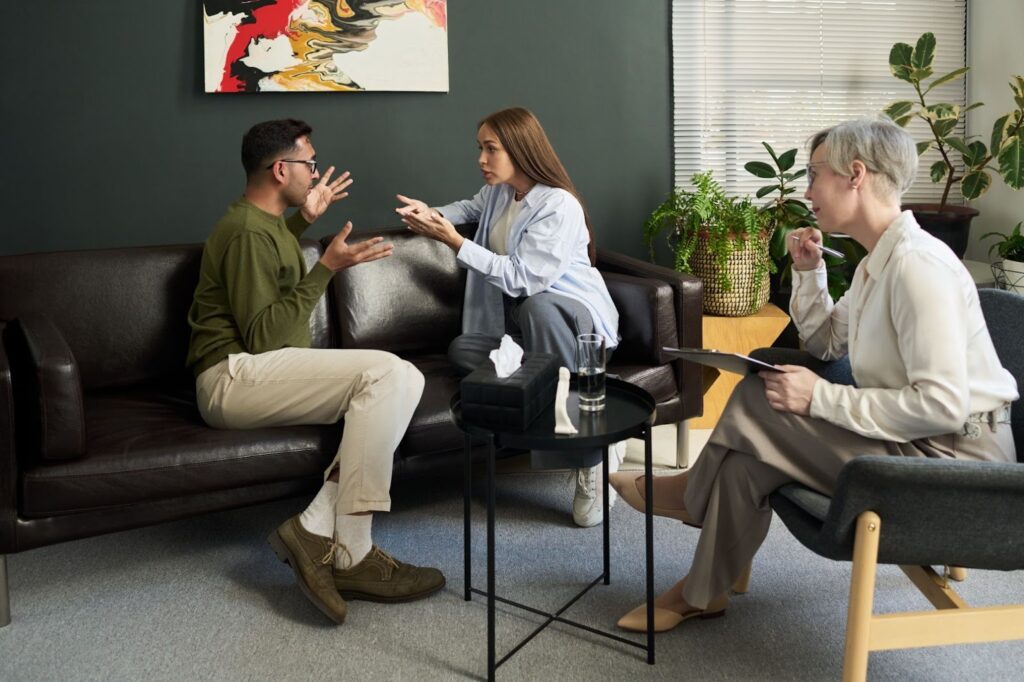
No two people think, feel, or express themselves in the same way. One partner might process emotions out loud, while the other needs time alone to reflect before talking. Couples counseling makes room for these differences instead of labeling one style as “right” and the other as “wrong.” Therapists help partners learn each other’s language and timing: when to approach, when to give space, and how to rejoin the conversation without reopening old wounds. Understanding your partner’s style can make their reactions feel less personal and easier to interpret. This respect for difference can turn friction into a richer, more flexible way of relating.
Deciding If Couples Counseling Is The Next Step For Your Relationship
Many people wait until a crisis to seek help, but couples counseling does not have to be a last resort. It can be helpful when you are stuck in recurring arguments, feeling distant, or just sensing that you could communicate better than you currently do. Some couples use therapy as preventive care, strengthening their connection before significant changes or addressing minor issues before they grow. If both partners are willing to show up, be honest, and experiment with new ways of relating, counseling can create meaningful shifts. While no therapist can guarantee a specific outcome, many couples leave the process with a deeper understanding of themselves and each other, along with tools they can keep using for years.
Visit our Moving Forward, PLC blog to learn more about how to strengthen your relationship with couples counseling.